
The Venture Capital Landscape: BRB’s Perspective

Accelerating Economic Development, the VC way

Venture capital (VC) has emerged as a catalyst in Nigeria’s journey toward sustainable economic growth and diversification. Traditionally reliant on oil and gas, the Nigerian economy is undergoing a paradigm shift toward innovation, entrepreneurship, and technology-driven solutions. VC is at the heart of this transformation, providing the critical financial resources, expertise, and strategic support that early-stage and high-growth startups require to thrive.

VC funding accelerates the development of sectors vital to Nigeria’s economic future, including financial technology (fintech), agriculture, clean energy, healthcare, and logistics. By backing entrepreneurs who address local challenges with scalable solutions, venture capital not only fosters the growth of individual businesses but also stimulates job creation, boosts productivity, and drives the adoption of new technologies across the broader economy.

By bridging the financing gap for startups and supporting Nigeria’s young and dynamic population, VC is catalysing a new generation of enterprises that are reshaping Africa’s economy. Its continued expansion is fundamental to unlocking Nigeria’s potential and achieving inclusive, technology-driven prosperity. Over the past decade, Nigeria has emerged as a pivotal hub for technology startups in Africa, driven by factors such as a burgeoning youth population, increasing internet penetration, and a growing appetite for digital solutions.

2024 VC Trends: Investment Climbs Globally, Contracts in Africa

According to the 2024 AVCA report, global venture capital investment reached US$313.6 bn, marking a 10% increase from the US$285.2 bn recorded in 2023. This figure accounts solely for VC deal volume and value, with deal values including Mezzanine and debt when the latter is part of a larger transaction that also involves equity. In contrast, Africa VC activity experienced a downturn in 2024, with US$2.6 bn invested across 427 deals, down from US$3.6 bn and 545 deals in 2023. This represents a 28% decline in value and a 22% drop in volume, highlighting a contraction in funding activity across the continent.

Despite this pullback, the 2024 figures suggest that Africa’s venture capital landscape may be approaching its peak. Notably, multi-region startups are shifting away from pan-African expansion strategies in favour of broader emerging market growth models. Leveraging later-stage capital, these startups are increasingly scaling into new geographies such as Southeast Asia, Latin America, and other developing regions, reflecting a strategic pivot toward global market diversification amid changing funding dynamics

The “Big Four” Dominate as FinTech Attracts the Lion’s Share of Funding

In 2024, West Africa maintained its lead in deal volume for the fourth consecutive year, driven primarily by Nigeria, which was the most active country by volume, accounting for 16% of deals. Despite lower volumes, multi-region deals garnered the highest total capital, while the ‘Big Four’ markets Nigeria, Egypt, Kenya, and South Africa continued to dominate, collectively accounting for 55% of total deal volume and 64% of capital deployed.

Despite a modest dip in total capital, the financial technology sector remains the star performer among African VC firms. In 2024, FinTech and Digital Banks led the market, accounting for 116 deals (34% of all tech-enabled rounds) and attracting US$1.4 billion in funding. This dynamic sector encompasses cryptocurrency platforms, embedded finance, and mobile wallets specifically designed for Africa’s largely unbanked population. Its continued dominance reflects both local demand and global trends, as digital banking solutions reshape access to financial services worldwide.

In 2024, African digital banks not only demonstrated strong regional appeal but also established a strong presence on the global stage. Tyme Bank’s US$250 million Series D ranked as the third-largest digital banking investment worldwide, while Moniepoint’s US$110 million Series C was the sixth-largest. An ongoing focus on Financials drove this momentum: 44% of deals originated in the sector, capturing half of the region’s total capital, trailed by the Information Technology (14%) and Consumer Staples (11%) sectors. The e-commerce and health care sectors witness declines in 2024, largely driven by a challenging operational environment, specifically, barriers to cost-effective growth and customer acquisition

The Nigerian Tech Startups 2024 Trend

Shifting focus to Nigeria, startups in the country secured approximately $410 million in funding in 2024, according to data from ‘Africa: The Big Deal.’ This figure remains the same as 2023, indicating a relatively stable funding environment despite broader market headwinds.

Notably, two major transactions, Moove’s $110 million raise and Moniepoint’s $110 million Series C round, accounted for over half of the total capital raised, underscoring the continued investor confidence in high-growth, later-stage Nigerian startups.

In Nigeria, the venture capital market is experiencing a shift towards funding startups that integrate sustainability and social impact into their business models. This shift is largely driven by a younger generation that values ethical practices and demands transparency from companies.

The following is a summary of the top venture capital deals in Nigeria in 2024.

S/N Startup Sector Amount Raised Lead Investors
1
Moove
Mobility tech
$110M
Mubadala, The Latest Ventures, AfricInvest, Palm Drive Capital, Triatlum Advisors, and Future Africa
2
Moniepoint
Fin tech
$110M
Development Partners International (DPI), Google’s Africa Investment Fund, Verod Capital, and Lightrock.
3
Yellow Card
Blockchain
$33M
Blockchain Capital, Coinbase, Kraken, OpenSea and Worldcoin.
4
Konexa
Renewable Electricity
$18M
Climate Fund Managers (CFM) and Microsoft’s Climate Innovation Fund
5
Tomato Jos
Agri Business
$12.2M
N/A

BRB’s Perspective: Our take on Venture Capital

At BRB Capital, we understand that the entrepreneurial journey is fraught with challenges, from securing early-stage funding to scaling a fast-growing enterprise. As a growing Nigerian investment firm with a global presence perspective, we see venture capital (VC) as a powerful instrument for fueling innovation, stimulating economic growth, and supporting visionary founders. We have financed high-potential startups and growth-stage businesses, enabling them to thrive in Nigeria’s dynamic marketplace and beyond.

BRB’s Approach to Venture Capital

A. Sector Focus

At BRB Capital, we prioritise sectors where we see the most potential for disruption and sustainable impact in Nigeria and the broader African context. These include

SECTOR SUBSECTOR AND FOCUS
Technology and Innovation
fintech, e-commerce, software-as-a-service, healthtech, edtech, regtech, insuretech, paytech
Agribusiness and Food
sustainable agriculture, food processing, logistics, sustainable land use, circular economy
Energy and Infrastructure
Renewable power solutions, energy efficiency, smart grids
Consumer Goods and Services
FMCG, retail, lifestyle brands

B. Staged Investments

We support businesses at various stages of growth, whether you are an early-stage startup looking for seed funding or a growth-stage enterprise seeking Series A or beyond. Our staged approach allows us to partner with entrepreneurs at various stages of their journey, helping them secure the necessary capital to innovate, refine their business models, and penetrate new markets.            

C. Hands-on Advisory

Funding alone is seldom enough to ensure success. Our team of industry specialists and operational experts complements funding by collaborating with portfolio companies to provide strategic guidance, market intelligence, and mentorship. We help founders navigate challenges such as product development, market entry, regulatory compliance, team building, and governance.

D. Responsible Investment

At BRB Capital, we prioritise responsible investing. We believe in supporting companies that create positive social, economic, and environmental outcomes. By adhering to robust Environmental, Social, and Governance (ESG) principles, we strive to ensure that our investments are inclusive and purpose-driven.

Conclusion?

In conclusion, Nigeria’s venture capital ecosystem remains a cornerstone of innovation and economic diversification in Africa, despite the challenges posed by currency volatility, regulatory uncertainties, and infrastructure gaps. The persistent investor interest, especially in fintech, clean energy, and B2B commerce sectors, highlights the country’s vast potential to foster scalable, impact-driven startups that address real economic and social needs. With emerging policy reforms and growing collaboration between local and international investors, the Nigerian VC market is poised for resilient growth and continued leadership in the continent’s entrepreneurial landscape.

Looking ahead, sustaining this momentum requires fostering operational efficiency, enhancing regulatory clarity, and expanding infrastructure to unlock the full potential of Nigeria’s young, tech-savvy population. Venture capital will remain a critical enabler for innovative solutions that drive job creation, financial inclusion, and sustainable development. As Nigerian startups increasingly navigate global markets and adopt pragmatic growth models, the ecosystem is well-positioned to deliver significant economic value and cement Nigeria’s status as Africa’s foremost hub for venture investment.
What do you think?
Subscribe
Notify of
guest
7 Comments
Newest
Oldest Most Voted
Inline Feedbacks
View all comments
Tony Parker
Tony Parker
4 months ago

Thanks for sharing

jhay
jhay
4 months ago

Keep it up lads

Last edited 4 months ago by jhay
John Sunday
John Sunday
4 months ago

Okay nice

Jhaysec
Admin
Jhaysec
4 months ago
Reply to  John Sunday

Good one bruh

Anonymous
Anonymous
4 months ago

Hi..please reach out

Sonma
Sonma
4 months ago

Nice post. Wanna see more of this.

Insights

More Related Articles

December 2025 Inflation Report

Inflation eased to 15.15% in December 2025 following an adjustment by the NBS.

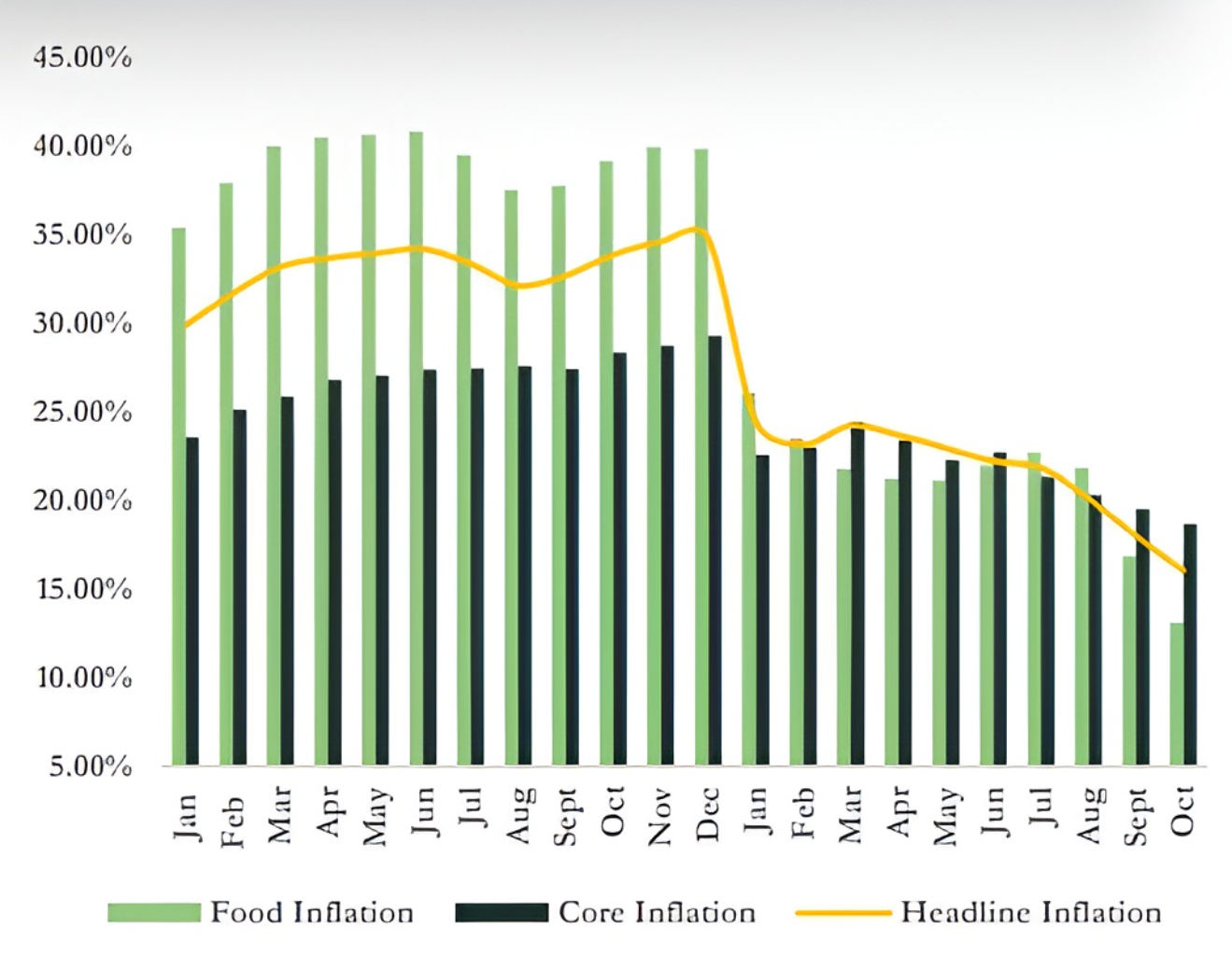
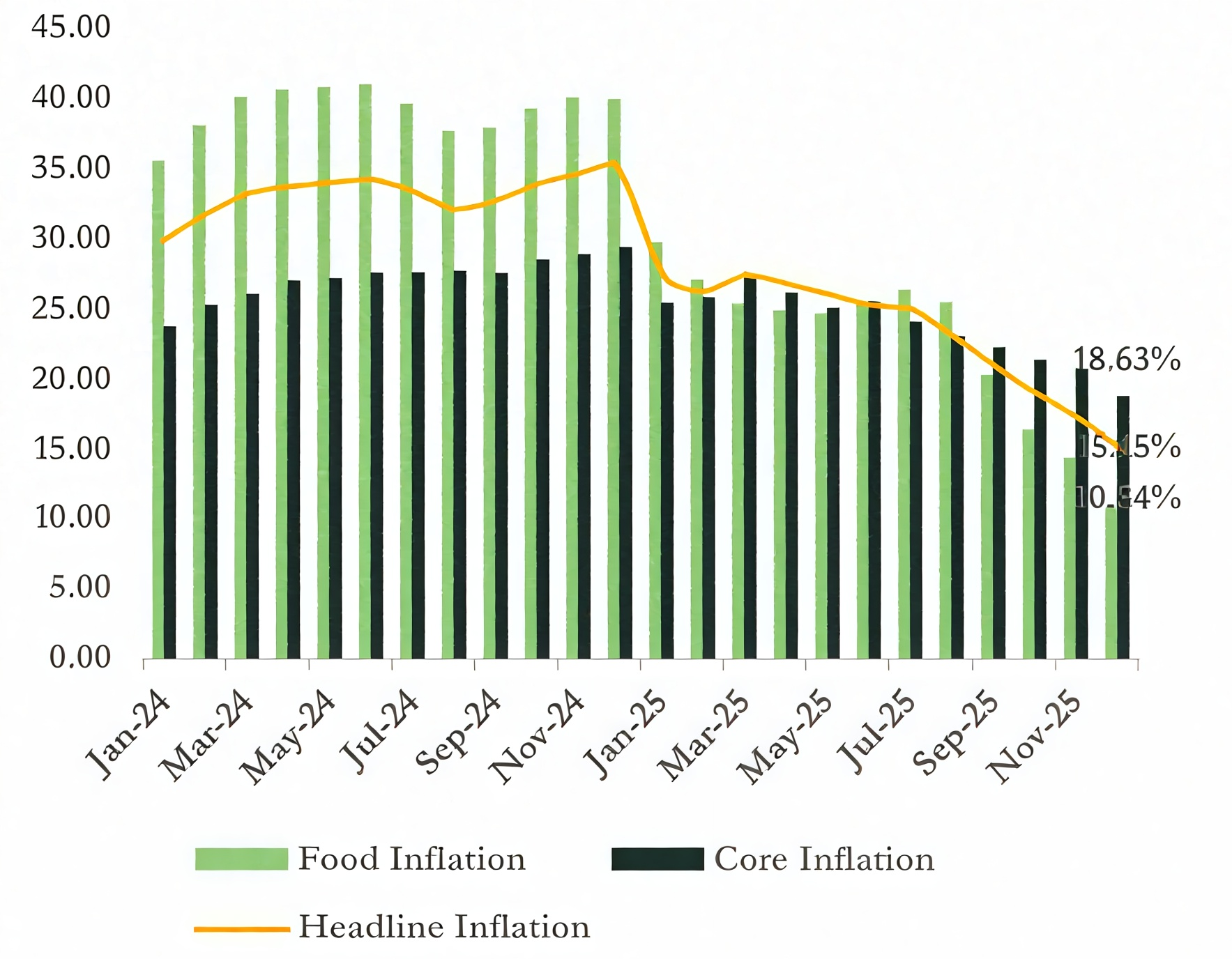
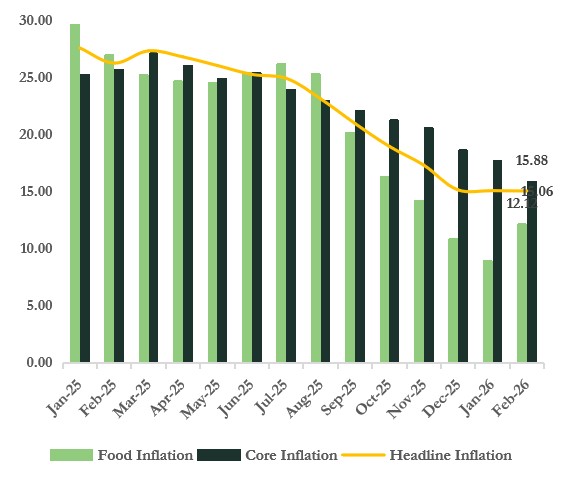
Nigeria’s headline inflation moderated to 15.15% year-on year in December 2025, down from 17.33% in November, reflecting a methodological adjustment by the National Bureau of Statistics (NBS). 

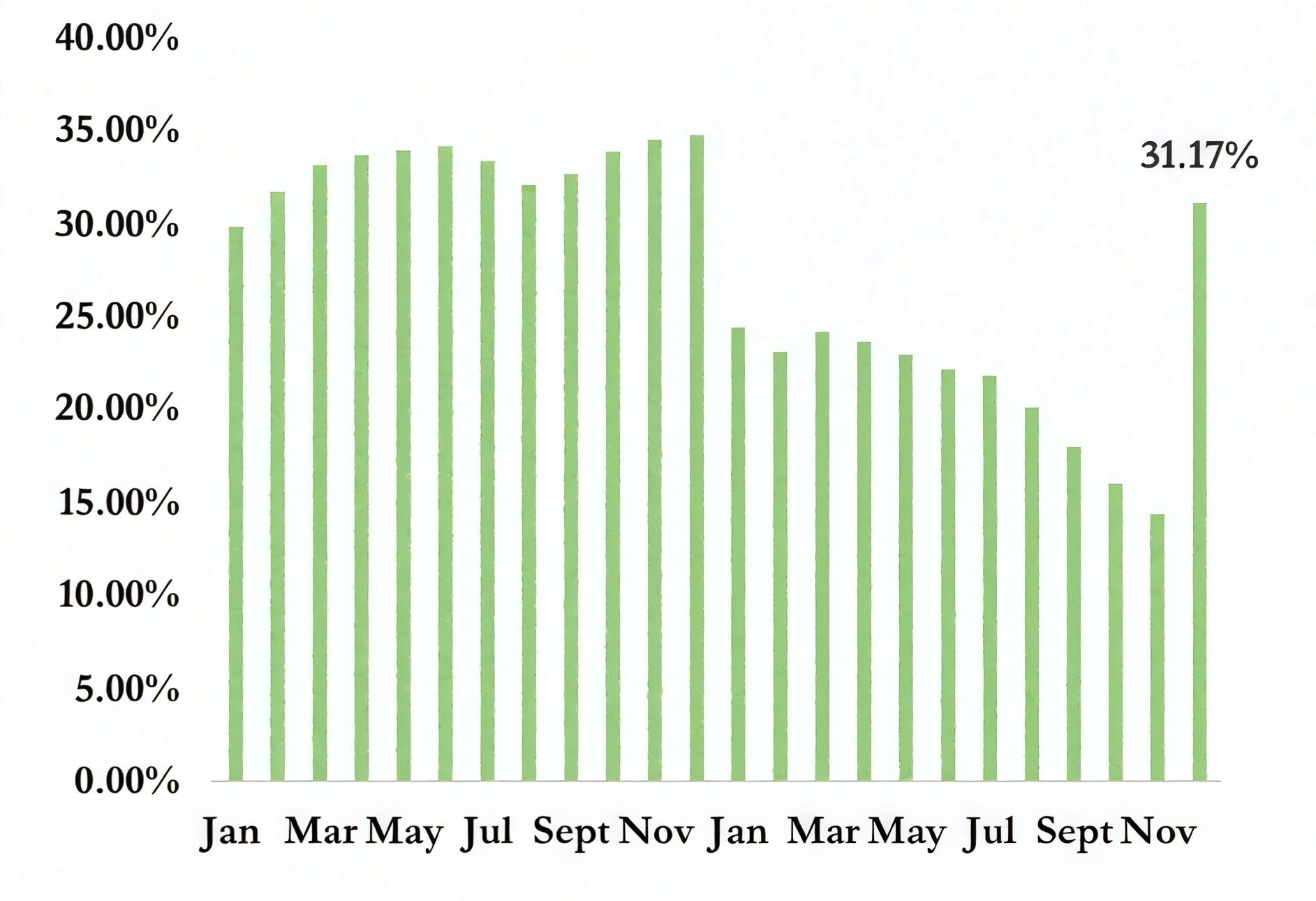
The decline follows the NBS’s adoption of a 12-month average CPI for 2024 as the reference period, replacing the previous single-month (December 2024) base. This change was implemented to eliminate an artificial inflation spike caused by base effects. Under the former methodology, headline inflation for December 2025 was projected to surge to about 31.2%, a distortion driven by the comparison base rather than a sharp acceleration in underlying price pressures. The revised approach, therefore, provides a more accurate representation of inflation dynamics, even as price levels remain elevated. 

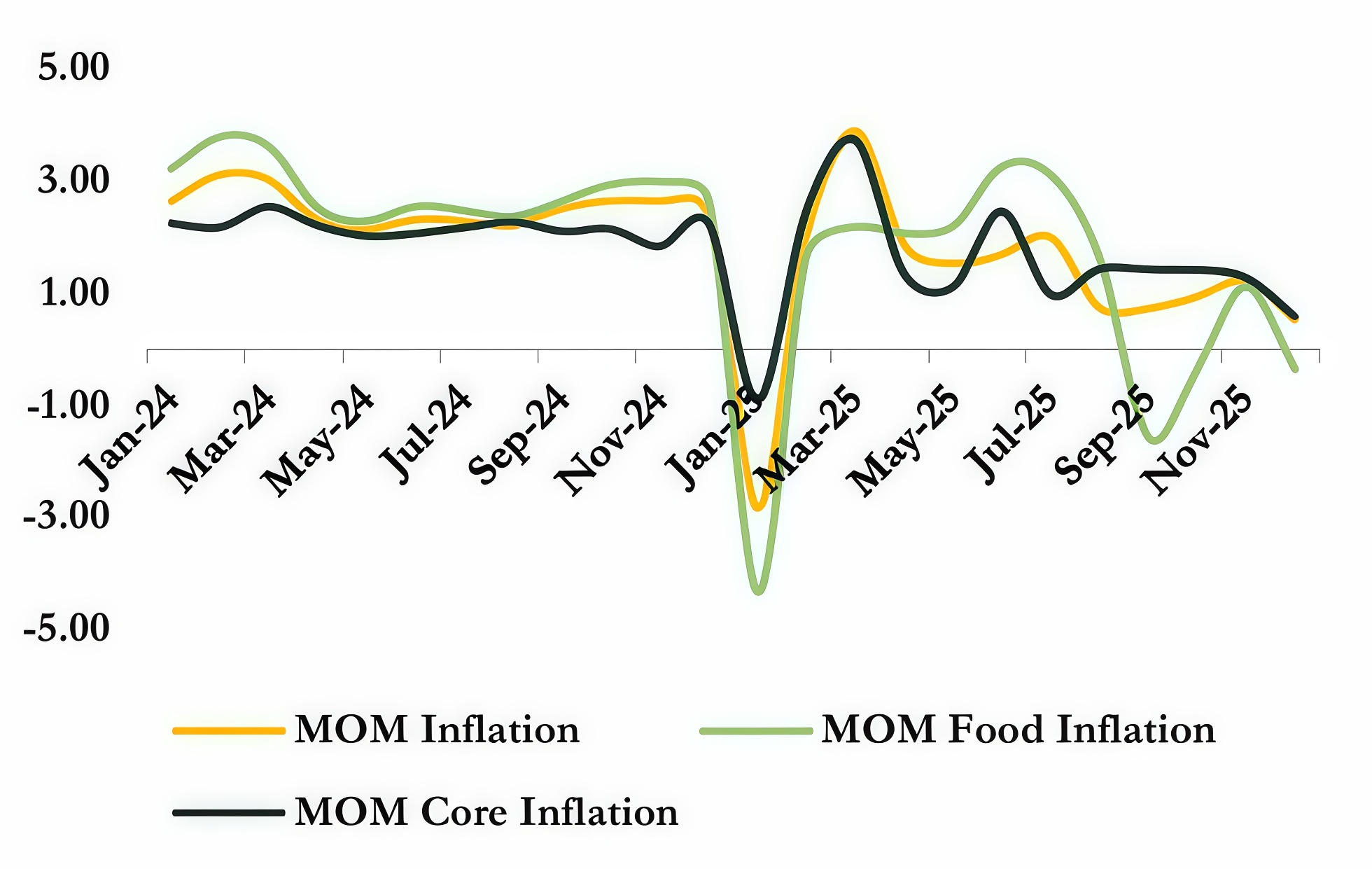
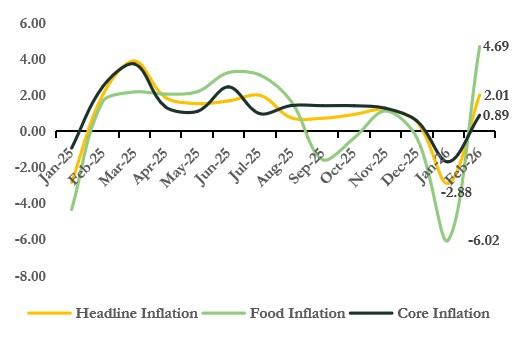
On a disaggregated basis, food inflation eased to 10.84% in December from 14.21% in November, while core inflation moderated to 18.63% from 20.59%, reflecting a broad based slowdown in price momentum following the methodological adjustment. On a month-on-month basis, headline inflation decelerated to 0.54%, down from 1.22% in the prior month. Food inflation turned negative at 0.36%, compared with 1.13% in November, suggesting easing short-term price pressures, while core inflation slowed to 0.58% from 1.28% previously.

OUTLOOK

We expect headline inflation to maintain a downward trajectory in 2026, supported by a relatively stable exchange rate, which should help moderate imported inflation pressures. Additionally, a weaker global oil market, driven by a projected supply surplus, could further ease global energy prices. However, this presents a double-edged risk: while lower energy prices may reduce domestic fuel costs and ease transportation and logistics expenses, weaker oil prices could also dampen export earnings and exert pressure on the naira, potentially offsetting gains through higher import costs.

On balance, the anticipated disinflation trend may create room for the Monetary Policy Committee to begin a gradual pivot away from its current hawkish stance, should macroeconomic conditions remain supportive.

Y-o-Y Inflation Trend New CPI Series
Y-o-Y Inflation Trend Old CPI Series
M-O-M Inflation Trend New CPI Series

Nigeria Economic Review

2025 Economic Review

Economic Growth Performance

  • Nigeria’s economy expanded by 3.98% y/y in Q3 2025, easing from 4.23% in Q2, its strongest growth since Q2 2021, but outperforming the 3.86% growth recorded in Q3 2024.
  • The non-oil sector, which accounted for 96.6% of total output, grew by 3.91% vs Q2: 3.64%, supported by stronger activity in agriculture (3.79%), financial and insurance services (19.63%), trade (1.98%), construction (5.57%), and modest gains across ICT, real estate, and manufacturing.
  • In contrast, the oil sector grew by 5.84% y/y, a sharp slowdown from 20.46% in the previous quarter, reflecting weaker crude output. Oil production averaged 1.64 mbpd in Q3, slightly below Q2’s 1.68 mbpd but above the 1.47 mbpd recorded in Q3 2024.

Source: NBS, BRB Research

Inflation and Monetary Policy
  • Nigeria’s inflation environment has continued to improve, with headline inflation easing for the eighth consecutive month and settling at 14.45% from 16.05% year-on-year in November 2025. The deceleration has been driven largely by the rebasing effect, softer food price pressures, improved supply conditions, and a more stable foreign-exchange market. Core inflation remains elevated at 18.04% while Food inflation moderated to 11.08%, reflecting a gradual easing in underlying price pressures.
  • Against this backdrop, the Central Bank of Nigeria maintained the MPR at 27% in November 2025, following a 50-bps reduction in September, as it sought to consolidate recent progress on disinflation. Although headline inflation continued to moderate, the MPC noted that underlying price pressures remain elevated, warranting a cautious pause. The adjustment of the policy corridor to +50/-450 bps from +250/-250 bps signals a subtly more accommodative liquidity framework. The stance shows a gradual shift from aggressive tightening toward a more balanced macro-stabilization

Source: NBS, BRB Research                                                Source: Investing.com, BRB Research

Exchange Rate and Foreign Reserves
  • Nigeria’s foreign exchange market stabilized in 2025 following previous periods of sharp depreciation, supported by CBN initiatives including the Electronic FX Matching System (EFEMS), transparent auction processes, and partial market liberalization. These measures enhanced liquidity and narrowed the gap between official and parallel market rates, with the naira strengthening to ₦1,446 per US dollar by November 2025 from ₦1,535 per US dollar at the end of 2024. 
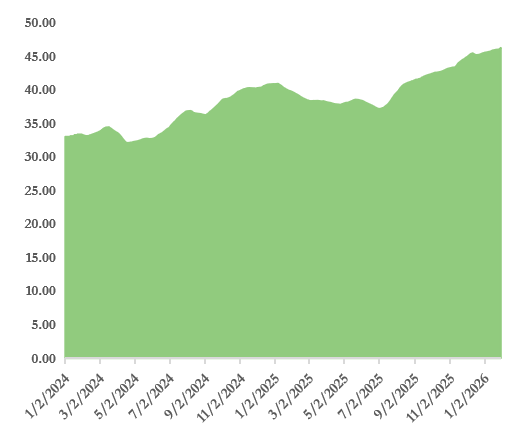
  • Foreign reserves rose from USD 40.2 billion at the end of 2024 to USD 44.67 billion by November 2025, reflecting strengthened external sector conditions. The recent Eurobond issuance of $2.35 billion provided a significant boost to reserve buffers, complementing gains from improved oil production, firmer export receipts, steady remittance inflows, and renewed foreign portfolio investment.
Oil Market
  • The 2025 oil market began the year in relative balance, with temporary supply disruptions from seasonal factors and unplanned non-OPEC+ outages offset by robust structural supply. Demand growth remained moderate amid macroeconomic uncertainty, resulting in stable prices with limited volatility. 
  • In Q2, OPEC+ began rolling back voluntary production cuts while output from the U.S. and Brazil remained strong, leading to rising supply that outpaced demand and triggered bearish sentiment. By Q3, oversupply became the defining feature, as global production exceeded demand, inventories accumulated, and analysts revised downward full-year price expectations.
  • The year closed with the supply glut persisting into Q4; inventories remained elevated, and prices stabilized below mid-year peaks following OPEC+ guidance on potential early-2026 output pauses.
Oil Production
  • In Q3 2025, Nigeria’s average daily oil production stood at 1.64 million barrels, up 0.17 mbpd from Q3 2024 but slightly below Q2 2025’s 1.68 mbpd. The sector’s gradual recovery in 2025 was supported by improved security, enhanced pipeline integrity, and more coordinated upstream operations. Production averaged 1.66 mbpd in H1, peaked at 1.68 mbpd in Q2, the highest since 2020, and moderated slightly in Q3, reflecting ongoing operational adjustments and maintenance activities. 
  • The rebound helped reinforce external balances and foreign-exchange supply, but output volatility remained a feature of the sector’s performance. Despite the improvement, production levels fell short of the government’s 2025 target of 2.06 million barrels per day, reflecting ongoing structural challenges. Crude theft, infrastructure constraints, and intermittent operational disruptions continued to weigh on capacity utilization, limiting the pace of recovery.

Source: NBS, BRB Research 

Economic Outlook for year 2026

2026 Outlook
  • Nigeria’s economy is expected to expand over the near term, with the IMF projecting GDP growth of 3.9% in 2025 and 4.2% in 2026, supported by stable oil inflows, improving oil production levels, and greater policy consistency. 
  • Headline inflation is expected to continue its moderating trend in 2026, easing toward 11.56% by year-end, supported by a stable exchange rate, cautious monetary policy, and weaker energy prices. This disinflationary environment is likely to provide the Central Bank of Nigeria with scope to maintain a neutral to mildly accommodative monetary policy stance. We anticipate a potential recalibration of the MPR, with a projected easing of around 200 basis points by mid-2026, contingent on inflation remaining firmly anchored and underlying price pressures remaining subdued.
  • Several risks could reverse the projected downward trend in inflation in 2026. Pressure on the exchange rate may increase the cost of imported goods, while elevated government spending ahead of elections could inject additional liquidity, boosting prices. Structural challenges, including insecurity in key food-producing regions, may constrain supply and exert upward pressure on food prices. External shocks, such as volatility in global oil markets, also represent a potential upside risk to inflation during the year. 
  • Despite these challenges, higher foreign reserve buffers and reforms in the foreign-exchange market, including enhanced transparency and more efficient EFEMS operations,  should help limit exchange-rate volatility and strengthen overall broader macroeconomic stability. These developments, alongside easing inflation and relatively stable macro fundamentals, are likely to support investor sentiment and attract modest portfolio inflows over the course of the year.
  • The macroeconomic environment nonetheless remains sensitive to external and domestic shocks. Oil-price volatility continues to pose the most significant risk to fiscal stability and FX supply, while uncertainty around the revised Capital Gains Tax framework and lingering security concerns may temper investor appetite in the near term. Even so, the broader environment suggests cautiously improving conditions for Nigeria’s asset management and investment industry in 2026.
  • Global oil market dynamics will be pivotal for Nigeria in 2026, with a structural supply surplus expected to persist due to strong non-OPEC+ production from the U.S. and Brazil and a measured supply approach from OPEC+. Demand growth will remain concentrated in non-OECD Asia, while elevated inventories are likely to keep Brent crude in the mid-to-low $50s per barrel. A potential peace deal between Russia and Ukraine could further soften prices if sanctions on Russian oil are eased, adding additional barrels to the market. Although geopolitical disruptions could still trigger short-term volatility, sustained low prices may eventually dampen non-OPEC+ investment. 

Equities Market Review

Nigeria Equities Market Performance 2025

The Nigerian equity market delivered a powerful yet volatile performance in 2025, emerging as one of the strongest markets globally. For most of the year, sentiment was supported by market-friendly reforms, resilient corporate earnings, improved foreign-exchange conditions and strong domestic liquidity.

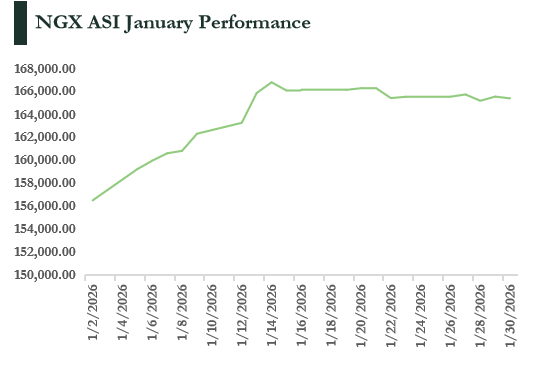
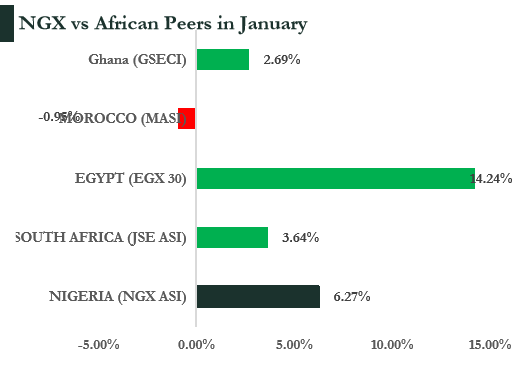
Market capitalization rose from ₦62.76 trillion at end-2024 to ₦91.29 trillion by late November, reflecting a 45.45% increase in investor wealth. Gains strengthened through the third quarter, with the ASI up 16.57% by mid-year and nearly 50% by October. The NGX All-Share Index (ASI) also advanced significantly, climbing from 102,926.40 points to over 150,000 points in October before moderating to 143,520.52 in November.

Investor participation was robust, driven by both domestic and foreign flows. Total transactions for the first eight months of the year rose by 99% to ₦6.92 trillion. Foreign portfolio inflows increased by 122% to ₦1.45 trillion, aided by improved FX liquidity and clearer exit conditions, whereas domestic investors contributed over ₦5.46 trillion, reinforcing their leadership in market activity. These flows were complemented by the performance of several high-growth stocks, with tickers like BetaGlass, MTN, Ellah Lakes, WEMA Bank, NCR, MBENEFIT, UACN, and ASO Savings delivering returns ranging between 100% and more than 500%, reflecting strong liquidity and high conviction in select counters.

NGX ASI Monthly Returns

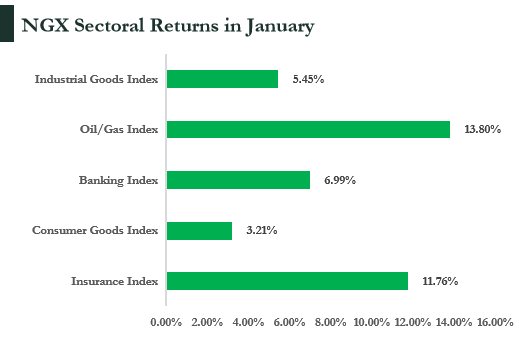
Sector performance highlighted the breadth of the rally. Consumer goods companies led with over 100% year-to-date gains by October, supported by strong local production and pricing resilience amid FX constraints. The Insurance Index rose sharply on recapitalization expectations, while the Banking Index, though third in returns, remained the most actively traded, reflecting strong institutional interest. Industrial goods stocks also saw significant demand, whereas the Oil & Gas Index lagged for most of the year due to sector-specific challenges.

NGX Sectoral Performance (2023-2025)

However, the positive momentum was interrupted in November by the sharpest correction of the year. Market capitalization fell by about ₦6.54 trillion following uncertainty over the proposed changes to the Capital Gains Tax framework. The shift from a flat 10% rate to a progressive structure of up to 30% triggered aggressive profit-taking and capital repatriation by foreign investors. Combined with geopolitical concerns, the policy announcement dampened sentiment and illustrated how quickly fiscal decisions can offset months of progress driven by monetary reforms and FX stability.

2026 Outlook

Outlook

Building on a robust 2025, Nigeria’s equities market is poised for a strong 2026 performance, with potential total returns exceeding 30%, supported by ongoing reforms, macroeconomic stability, and stronger corporate earnings. Key growth drivers include continued sectoral diversification, with consumer goods, industrials, and financials expected to anchor performance, alongside rising dividends that enhance total shareholder returns.

Market sentiment will be increasingly shaped by company-specific fundamentals, with investors focusing on earnings quality, balance sheet strength, and cash-flow resilience. The anticipated listing of NNPC Limited and Dangote Refinery next year could serve as a major liquidity and valuation catalyst, attracting both domestic and foreign capital.

Further support is expected from positive macroeconomic factors, including easing inflation, stable interest rates, and an improved foreign-exchange environment, as well as regulatory clarity that strengthens investor confidence. Active portfolio management, diversification across high-quality sectors, and close monitoring of earnings, FX developments, and policy changes will remain essential to navigate potential volatility and capture upside opportunities.

November 2025 Inflation Report

Inflation eased to 14.45% in November

Nigeria’s headline inflation rate eased to 14.45% year-on year in November 2025, down from 16.05% in October, marking the eighth consecutive month of disinflation and coming in below the Federal Government’s 2025 inflation target of 15.75%. The moderation was driven by a slowdown in both major components of inflation. Food inflation declined to 11.08% from 13.12%, while core inflation eased to 18.04% from 18.69%, reflecting softer price pressures across key non-food categories.

However, price pressures persisted on a month-on-month basis, with headline inflation rising to 1.22%, compared with 0.93% in October, indicating continued increases in price levels. The acceleration was largely food-driven, as food inflation rebounded to 1.13% from -0.37%, reversing the disinflation observed in the previous two months. This reflects renewed pressure from seasonal demand ahead of the festive period, alongside security-related disruptions in key food-producing regions that have constrained harvest activities.

In contrast, core inflation moderated to 1.28% from 1.42%, supported by slower price increases in financial services (0.18% vs 1.71%), education (0.02% vs 0.78%), and information and communication (0.12% vs 0.54%).

OUTLOOK

Looking ahead to November, we expect headline inflation to tick up in December 2025, driven by festive-related demand pressures and food supply constraints, with the increase amplified by base effects following the CPI rebasing. 

Beyond this temporary rise, we anticipate the disinflation trend to resume from early 2026, potentially creating room for the Monetary Policy Committee to begin a gradual pivot
away from its current hawkish stance.

Y-o-Y Inflation Trend
M-O-M Inflation Trend